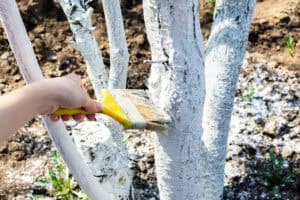
Sunscald and Bark Damage Trees DFW
Protect Your Trees from Sunscald and Bark Damage As May arrives in the Dallas-Fort Worth area, homeowners begin to enjoy …


Locally owned and family operated, proudly serving North Texas. Get your free, no-obligation quote. Or call (972) 521-1552.
Free QuoteFungal diseases are among the most destructive and most commonly misdiagnosed tree health problems in North Texas. The DFW area's combination of clay soil, extreme heat, unpredictable rainfall, and year-round humidity creates ideal conditions for a wide range of tree-attacking fungi. At Trees Hurt Too, Inc., our ISA Certified Arborist diagnoses tree fungal diseases accurately and applies targeted treatment protocols designed for the specific pathogen, tree species, and seasonal conditions affecting your property.
"Tree fungus is not a single thing. Oak wilt, hypoxylon canker, root rot, leaf spot, and anthracnose are all fungal conditions but they spread differently, they progress at different rates, and they require completely different treatments. The biggest mistake I see from generalist companies is applying one fungicide product to everything that looks diseased. That approach fails every time because the chemistry is wrong for the pathogen." Ken, ISA Certified Arborist Tx-3265-A | Owner, Trees Hurt Too, Inc.
Our tree fungus treatment services are part of our comprehensive Tree Doctor and Arborist program. All evaluations are free with no obligation. Call (972) 521-1552 to schedule your evaluation today.
North Texas creates a near-perfect environment for tree fungal diseases to establish and spread. Understanding the regional conditions that fuel fungal activity is essential to understanding why professional treatment and prevention matter more here than in most parts of the country.
Tarrant County's dense clay soils hold water for extended periods after rain, creating the anaerobic, oxygen-deprived root zone conditions that root rot pathogens like Phytophthora and Armillaria thrive in. The same soil that causes root rot also weakens tree defenses, making trees more vulnerable to the opportunistic fungi that colonize stressed hosts.
Extended periods of drought stress weaken trees, deplete energy reserves, and compromise natural immune responses. Hypoxylon canker, one of the most common tree killers in North Texas, exclusively colonizes drought-stressed trees. In years of severe drought, hypoxylon canker cases increase dramatically across the entire DFW service area as stressed trees become vulnerable targets for airborne spores that are present in every landscape.
North Texas springs bring the combination of warm temperatures and wet conditions that trigger the germination and spread of leaf fungal diseases including anthracnose and leaf spot. Heavy spring rainfall combined with high humidity creates extended periods of leaf wetness that allow fungal spores to germinate and infect foliage. Trees enter the high-stress summer period already weakened by repeated spring leaf infections.
Texas has one of the highest concentrations of oak wilt infection in the United States. The disease continues expanding its range northward through the DFW region each year. Properties throughout Tarrant County are at ongoing risk from both beetle-spread infection and underground root graft transmission between neighboring oaks.
Oakley says...
No charge. No obligation. An ISA Certified Arborist visits your property and gives you honest answers before recommending anything.
The most destructive tree disease in Texas. Oak wilt is a vascular fungus that blocks water movement through the tree, causing rapid canopy collapse in red oaks and slower decline with aggressive underground spread in live oaks. Treatment includes propiconazole fungicide injections delivered via our microinjection technology, root barrier installation, and wound management protocols during high-risk spring months. For full detail visit our Oak Wilt Treatment page.
An opportunistic fungus that targets drought-stressed trees exclusively. It has no cure once advanced, making stress prevention the only effective defense. Trees affected by hypoxylon canker show bark sloughing away in large sections to reveal dark powdery fungal mats beneath. Once a tree is severely infected, our certified arborist will give you a direct assessment of whether intervention can slow the condition or whether focus should shift to protecting neighboring trees from airborne spore spread.
Phytophthora, Armillaria, and Pythium are the primary root rot fungi affecting North Texas trees. They thrive in the drainage-challenged clay soils common throughout Tarrant County. Symptoms mimic drought stress because damaged roots cannot absorb water even when moisture is present. Treatment involves soil drainage improvement, root zone aeration, targeted fungicide soil applications where appropriate, and moisture management. Learn more at our moisture management page and our bacteria and fungus treatment page.
Fungal leaf diseases are especially active during wet North Texas springs. They cause circular or irregular brown lesions on foliage, premature leaf drop, and in severe cases twig dieback. While rarely fatal on their own, repeated annual infections drain energy reserves and increase vulnerability to more serious conditions. Preventive fungicide sprays timed to wet seasonal periods and proper irrigation practices are the primary management strategies.
A white powdery fungal coating that appears on leaves and young shoots. Common on ornamental trees and shrubs during warm dry weather with cool nights. Rarely fatal but weakens affected plants and reduces photosynthesis. Treated with targeted fungicide applications and cultural practices that improve air circulation around affected plants.
A bacterial disease that causes rapid dieback of branch tips with a characteristic scorched appearance. Common in ornamental pears, crabapples, and other members of the rose family. Treated with copper-based bactericides and strict sanitation of tools used on affected plants to prevent spread through mechanical transmission.
Every tree fungus treatment plan at Trees Hurt Too begins with accurate identification of the specific pathogen. The pathogen determines the treatment product, delivery method, timing, and expected outcome. Here is how we approach each category of fungal disease:
For vascular fungal diseases including oak wilt and certain canker pathogens, our microinjection technology delivers fungicide directly into the tree's vascular system. This ensures the treatment reaches the tissue where the pathogen is active. Surface applications cannot penetrate to these zones effectively, making injection the only reliable delivery method for vascular fungal conditions.
Root rot pathogens live in the soil and infect roots through direct contact. Effective treatment involves correcting the drainage and soil oxygen conditions that allowed colonization in the first place, combined with targeted soil fungicide applications where appropriate. Improving the soil environment is as important as treating the pathogen itself.
Leaf diseases are managed through preventive and curative fungicide spray programs timed to wet seasonal periods when spore germination is most likely. Our certified arborist selects the appropriate fungicide chemistry based on the specific pathogen diagnosed and applies it at intervals that provide maximum protection with minimum environmental impact.
For opportunistic fungi like hypoxylon canker that only infect stressed trees, improving the tree's overall health and resilience is the most effective long-term strategy. Deep root feeding, soil health programs, and moisture management address the underlying stress conditions that create vulnerability. Visit our deep root feeding page to learn more about how this works in North Texas clay soils.
"When I diagnose hypoxylon canker on a property, my first question is always what stressed this tree enough to let the fungus in. If we just note the canker and move on, we have not solved the problem. The next tree will be vulnerable for the same reason. Understanding the stress pathway is the real diagnosis." Ken, ISA Certified Arborist Tx-3265-A | Owner, Trees Hurt Too, Inc.
Your Tree Cannot Wait
Early diagnosis is the difference between saving and losing a tree. Call our ISA Certified Arborist directly for same-week evaluations throughout the DFW area.
(972) 521-1552Free on-site evaluation • No obligation • Honest answers
The most common tree fungal diseases in North Texas include oak wilt, hypoxylon canker, root rot caused by Phytophthora and Armillaria fungi, leaf spot, anthracnose, and powdery mildew. Fire blight is a bacterial disease that is commonly grouped with fungal conditions because of overlapping management approaches. Each requires a distinct diagnosis and treatment strategy.
Tree fungus presents differently depending on the species. Signs include brown discoloration along leaf veins (oak wilt), dark powdery mats under peeling bark (hypoxylon canker), circular or irregular brown spots on leaves (leaf spot and anthracnose), white powdery coating on new growth (powdery mildew), and mushrooms or fungal fruiting bodies at the trunk base (root rot). For a detailed visual guide visit our North Texas tree disease identification page.
Treatment depends entirely on the specific pathogen identified. Options include propiconazole fungicide injections for vascular diseases like oak wilt, preventive and curative fungicide spray programs for leaf diseases, soil treatment and drainage correction for root rot pathogens, and stress reduction programs including deep root feeding and moisture management to strengthen natural disease resistance.
Yes. Oak wilt spreads through underground root grafts and sap-feeding beetles and can move to every connected oak on your property. Hypoxylon canker spreads via airborne spores that land on stressed trees. Leaf diseases spread through rain splash and wind during wet seasons. Early treatment and containment are critical to preventing spread across your property and to neighboring trees.
Yes. Several tree fungal diseases can migrate to nearby shrubs, ornamentals, and turf. Root rot pathogens live in the soil and can spread to any plants growing in the same drainage zone. Oak wilt can move to every oak on the property through underground root connections. Prompt treatment and professional containment protect the entire landscape, not just the affected tree.
Unfortunately there is no cure for hypoxylon canker once it is advanced. The fungus colonizes trees that are already stressed. Prevention through stress reduction, including deep root feeding, proper moisture management, and soil health programs, is the most effective defense. Trees showing severe hypoxylon canker should be assessed for safety risk and the threat they pose to nearby stressed trees through airborne spore dispersal.
Accurate identification requires a professional evaluation. Tree fungal diseases can mimic drought stress, insect damage, and nutrient deficiencies. Treating the wrong condition wastes money and allows the actual problem to continue advancing. Trees Hurt Too provides free on-site evaluations throughout Tarrant County where our ISA Certified Arborist diagnoses the specific condition before any treatment is recommended.
Yes. We use carefully selected, eco-friendly products and precision delivery methods. Microinjection technology keeps treatment inside the tree's vascular system with no residue on surrounding soil or plants. Foliar fungicide sprays are timed and applied to minimize contact with pollinators, beneficial insects, and people. Once treated areas have dried, your yard is safe for family and pets.
Trees Hurt Too provides completely free on-site evaluations for tree fungus assessment with no obligation. Treatment costs vary based on the specific condition, the number and size of trees, and the delivery method required. Call (972) 521-1552 for a free evaluation and an honest estimate.
Call us at (972) 521-1552 or request your free evaluation through our contact page. Our ISA Certified Arborist will evaluate your trees, identify the specific fungal condition, and provide a clear treatment recommendation. Check our service area to confirm we cover your neighborhood.
Our ISA Certified Arborist provides tree fungus diagnosis and treatment throughout Tarrant County and the DFW metroplex. View our service area and call (972) 521-1552 to schedule your free evaluation.
Do not see your city? Call us anyway at (972) 521-1552. We serve additional communities throughout the DFW metroplex.
Protect Your Trees Year-Round
Our certified arborist-supervised annual programs include:
On-site evaluation and custom program quote
Get My Custom Program QuoteNo contracts • Cancel anytime
Stay informed about lawn care, tree care and pest related issues in your area!
Protect Your Trees from Sunscald and Bark Damage As May arrives in the Dallas-Fort Worth area, homeowners begin to enjoy …
Why Trees Drop Leaves in May in the Dallas-Fort Worth Area If you’ve noticed leaves scattered across your lawn in …
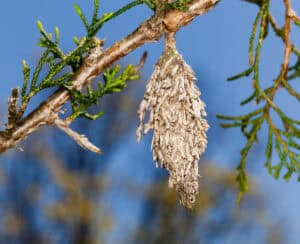
Identify and control bagworms before they damage your North Texas trees and shrubs this season.