Sunscald and Bark Damage Trees DFW
Protect Your Trees from Sunscald and Bark Damage As May arrives in the Dallas-Fort Worth area, homeowners begin to enjoy …

(Blissus leucopterus

Locally owned and family operated, proudly serving North Texas. Get your free, no-obligation quote. Or call (972) 521-1552.
Free QuoteA persistent lawn and garden pest, the chinch bug thrives in the hot, dry conditions of Texas summers and is one of the most common issues property owners face across Tarrant County. These tiny insects may look harmless at first glance, but without professional pest control services, they can quickly cause severe damage to turfgrass, landscapes, and ornamental plants.
Adult chinch bugs measure about three-sixteenths of an inch long and are easy to identify by their black or dark brown bodies and fully developed wings. Their wings are frosty white with a distinct triangular black mark at the middle edge, a key feature that helps distinguish them from other lawn pests. Newly hatched nymphs, on the other hand, are a striking orange-red color with a pale band across their abdomens.
When populations build, chinch bugs feed by sucking sap from grass blades and injecting toxins, leaving behind yellow, brown, and dead patches of turf that resemble drought stress. Left untreated, they can devastate entire lawns and spread to other parts of the landscape, putting not only your turf but also your tree and shrub care investment at risk.
That's why incorporating protection against chinch bugs into customized lawn care programs is essential for long-term property health. Partnering with experienced professionals ensures your lawn, trees, and shrubs receive consistent monitoring, targeted treatments, and preventative care designed specifically for North Texas conditions.
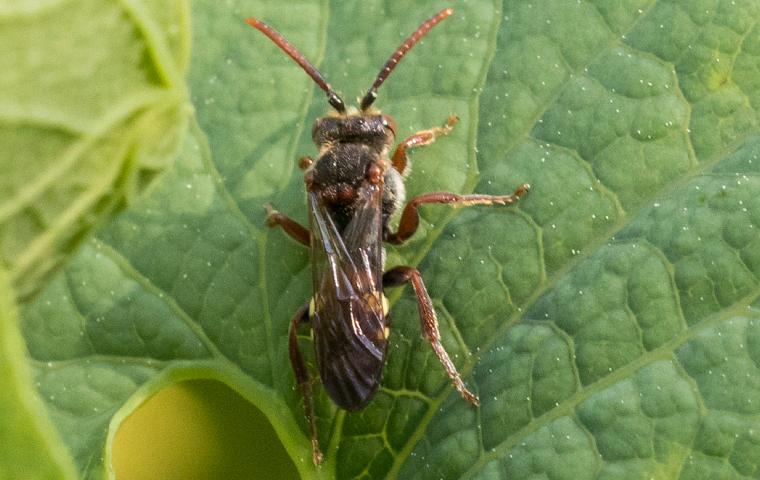
Chinch bugs are a serious pest to contend with, especially when they appear on your property in large numbers. These tiny insects may look harmless, but their feeding habits can devastate lawns and landscapes in a matter of weeks. St. Augustine grass is their preferred host and primary food source, making it especially vulnerable. However, chinch bugs are not picky eaters, they will also feed on and damage other grass varieties such as Bermuda and Zoysia, and in some cases, they may even stress surrounding trees, shrubs, and ornamental plants.
What makes chinch bugs particularly destructive is the way they feed. Using their piercing-sucking mouthparts, they extract essential sap from plant tissues while injecting a toxin that disrupts the plant's ability to move water and nutrients from the soil. This combination quickly dehydrates the plant from the inside out, leaving it unable to recover.
One of the most noticeable signs of chinch bug activity is the formation of irregular, expanding patches of yellow or straw-colored turf that resemble drought damage. Unlike areas stressed by heat or lack of water, these spots do not green up with irrigation and will continue to spread outward as the infestation grows. In severe cases, entire sections of lawn may die off, creating unsightly bare patches that invite weeds, other pests, and erosion issues.
Unchecked, chinch bug infestations can compromise not only the beauty of your lawn but also the overall health of your landscape. Early detection and professional pest control treatments are essential for protecting your property and preventing long-term damage.
Chinch bugs are on your Arlington property because it provides them with exactly what they're looking for, an abundant and reliable source of food. These pests thrive in warm, sunny conditions and are most active during the hot Texas summer months when lawns are already stressed. Unfortunately, many of the grasses and plants common in North Texas landscapes are on their menu, making local properties especially vulnerable.
Some of their favorite food sources include:
Because chinch bugs are not limited to just one food source, infestations can spread quickly across a property. They will readily move from turf to weeds and even into nearby fields or gardens if food becomes scarce. This adaptability makes them one of the most persistent and damaging lawn pests in the Arlington area.
The key to keeping chinch bugs under control is not only recognizing the plants they target but also working with a professional pest control team that understands their behavior. By combining lawn health care practices with targeted treatments, you can protect your grass and other vegetation from long-term damage.
Chinch bugs live in a variety of locations, including residential yards, commercial landscapes, and agricultural crop fields. They prefer areas where they have direct access to grasses and plants that serve as their food sources. Open, sunny spaces are particularly vulnerable, as chinch bugs thrive in heat and dryness. Unlike some pests that hide in shaded or moist environments, chinch bugs are drawn to exposed turf where the sun is strongest. This is why large patches of St. Augustine and Bermuda grass in Arlington neighborhoods and other parts of North Texas often show the heaviest damage.
In Texas, chinch bug activity peaks during the hottest part of the year, typically late spring through the end of summer. Long stretches of hot, dry weather create the perfect breeding and feeding conditions, and infestations can multiply rapidly during this time. A small population can quickly expand into thousands, spreading across lawns and fields in search of food. Left unchecked, they can destroy sections of turf within weeks.
When temperatures cool in the fall and winter, adult chinch bugs enter a state of inactivity. During this time, they hide in thatch, weeds, and sheltered spots around the lawn. While they do not feed during the colder months, they do not die off either. Instead, they overwinter in these protected areas, waiting for the return of warm weather to become active again. As soon as spring temperatures rise, the cycle begins anew with fresh feeding, egg laying, and population growth.
Because of this seasonal behavior, it's crucial for Texas property owners to stay proactive. Summer is the time when damage is most visible, but preventive measures taken in spring, and continued lawn care into fall, help reduce chinch bug populations before they can become overwhelming.
Limit the chances of your yard becoming a home to chinch bugs with the following prevention tips. While no lawn can ever be completely pest-proof, consistent care and proper maintenance will make your turf far less attractive to these destructive insects.
By combining these cultural practices with regular lawn inspections, you'll significantly reduce the risk of chinch bug infestations and promote healthier turf overall. For long-term protection, pairing these strategies with a professional pest control program from Trees Hurt Too, Inc. ensures that chinch bugs and other lawn-damaging insects are kept under control year after year.
Chinch bug infestations often appear as irregular yellow or brown patches that resemble drought stress but do not improve with watering. In Tarrant County, this damage typically appears during hot, dry weather. If turf continues to decline despite proper irrigation, chinch bugs are a common cause.
St. Augustine grass is the most vulnerable turfgrass in Arlington, Fort Worth, and surrounding areas. Chinch bugs also damage Bermuda and Zoysia grass, particularly when lawns are stressed by heat, compacted soil, or poor nutrient balance.
Chinch bugs are most active from late spring through summer when temperatures rise and rainfall is limited. Extended periods of heat allow populations to multiply rapidly, making early monitoring critical for preventing widespread lawn damage.
Yes. While turfgrass is their primary target, heavy infestations can spread outward and stress nearby shrubs, ornamental plants, and groundcover. Early detection helps protect the entire landscape from escalating damage.
Recurring chinch bug issues are often caused by untreated overwintering populations combined with lawn stress factors such as dry soil, thatch buildup, and nutrient imbalance. Without professional treatment and prevention, chinch bugs can return each warm season.
Yes. Chinch bugs are one of the most common warm-season lawn pests in Tarrant County due to the local climate, soil conditions, and widespread use of susceptible turf varieties across residential and commercial properties.
Chinch bugs spread rapidly, especially during hot weather. A small population can grow into thousands within weeks, moving across the lawn in search of food and causing expanding areas of turf damage.
Professional treatment addresses both active chinch bugs and the conditions that allow them to thrive. Licensed Plant Health Care Professionals apply targeted solutions and lawn health strategies that are more effective than surface-level treatments.
Yes. Heat stress, dry soil, and nutrient imbalance weaken turfgrass, making it more susceptible to chinch bug feeding. Strong, well-maintained lawns are better able to resist damage and recover after treatment.
In most cases, chinch bug activity decreases quickly after treatment, with lawn recovery improving over the following weeks as turf regains strength. Results vary depending on infestation severity and overall lawn health.
Chinch bugs are among the most destructive lawn pests, capable of turning a healthy, green lawn into brown, thinning patches in a short amount of time. These insects multiply quickly and spread throughout the yard, causing damage that often looks like drought stress. Without proper treatment, chinch bugs can continue to infest your lawn year after year, preventing grass from fully recovering.
The most effective way to get rid of chinch bugs is through professional treatment that targets both the active insects and the conditions that allow them to thrive. At Trees Hurt Too, we use a comprehensive approach to chinch bug control that goes beyond surface-level treatment. Our licensed Plant Health Care Professionals accurately diagnose the problem, apply eco-friendly products, and use proven methods to eliminate chinch bugs at the source while protecting your family, pets, and the environment.
Because long-term prevention is just as important as elimination, our services focus on restoring your lawn's overall health. We create customized treatment plans designed to strengthen your turf, reduce stress, and prevent future infestations, especially during the intense Texas summer months when chinch bugs are most active.
As a locally owned and operated company, Trees Hurt Too understands the specific lawn care challenges faced by property owners in Tarrant County, including Arlington, Fort Worth, Burleson, and surrounding areas. Our local expertise allows us to address chinch bug problems effectively across residential, rental, and commercial properties.
For added protection, we also offer customizable lawn care programs that combine chinch bug control with fertilization, weed control, and disease prevention. A healthy lawn is the best defense against recurring pest issues.
If chinch bugs are damaging your lawn, don't wait. Contact Trees Hurt Too today to learn how our customized lawn care services can eliminate chinch bugs, restore your turf, and keep your landscape healthy year-round.
Explore our pest library to identify local pests, understand their behaviors, and discover expert solutions tailored for Texas homes and landscapes. Here are a few North Texans' face:
Stay informed about lawn care, tree care and pest related issues in your area!
Protect Your Trees from Sunscald and Bark Damage As May arrives in the Dallas-Fort Worth area, homeowners begin to enjoy …
Why Trees Drop Leaves in May in the Dallas-Fort Worth Area If you’ve noticed leaves scattered across your lawn in …
Identify and control bagworms before they damage your North Texas trees and shrubs this season.