Sunscald and Bark Damage Trees DFW
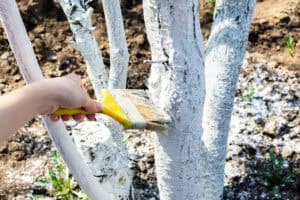
Protect Your Trees from Sunscald and Bark Damage As May arrives in the Dallas-Fort Worth area, homeowners begin to enjoy …


Locally owned and family operated, proudly serving North Texas. Get your free, no-obligation quote. Or call (972) 521-1552.
Free QuoteRoot rot is one of the most commonly misdiagnosed conditions in North Texas tree care because its above-ground symptoms look identical to drought stress. A tree with advanced root rot wilts, drops leaves prematurely, and shows thinning canopy for a simple reason: its damaged root system can no longer absorb water, even when adequate moisture is present in the soil. Watering a tree that has root rot does not help. Fertilizing it does not help. The only effective response is accurate diagnosis of the specific pathogen involved, correction of the soil conditions that allowed the pathogen to establish, and targeted treatment where available. Trees Hurt Too, Inc. provides ISA Certified Arborist diagnosis and treatment for the full range of root rot conditions that affect North Texas trees, with a particular focus on the clay soil drainage challenges that make root rot so common throughout the DFW area.
"Root rot is the condition that most clearly illustrates why you cannot diagnose a tree from the canopy. Everything that root rot does to a tree above ground looks exactly like drought stress. And the most common treatment applied to a drought-stressed looking tree, more water, is exactly the wrong thing to do for a tree with root rot. It compounds the anaerobic soil conditions that the pathogen needs. You cannot make a correct treatment decision without knowing what is happening below the surface." Ken, ISA Certified Arborist Tx-3265-A | Owner, Trees Hurt Too, Inc.
We provide free on-site evaluations throughout North Texas. Call (972) 521-1552 if you suspect root rot in any of your trees, or visit our Tree Health Care and Arborist Services page.
Several distinct pathogens cause root rot in North Texas trees. Accurate identification of the specific pathogen is essential because treatment approaches differ significantly between them.
Phytophthora is an oomycete water mold that thrives in waterlogged, anaerobic soil conditions. In North Texas clay soils with poor drainage, Phytophthora is one of the most common root rot pathogens affecting landscape trees. It attacks fine feeder roots and root hairs first, progressively destroying the tree's ability to absorb water and nutrients. Infected roots are dark, water-soaked, and often have a distinct foul odor. Treatment involves improving soil drainage, applying phosphonate products that stimulate the tree's natural resistance, and deep root feeding to support the remaining functional root system.
Armillaria, also called honey fungus, is a soil-borne pathogen that spreads through soil contact and through rhizomorphs, root-like structures that allow the fungus to move between adjacent trees. Armillaria is identifiable by white mycelial fans or mats visible beneath the bark at the trunk base and by honey-colored mushrooms that appear at the base of infected trees in autumn. It can persist in soil for years on infected root material. Management involves removing infected plant material and improving soil conditions.
Phymatotrichopsis omnivora, commonly called cotton root rot or Texas root rot, is a soil-borne pathogen common throughout Texas that thrives in the alkaline clay soils of North Texas. It can affect trees as well as ornamentals and crops. Infected trees show sudden wilting and death with white mycelial threads visible in soil around the roots. Cotton root rot can kill established trees within a single growing season under favorable conditions. Soil pH management and organic matter improvement are primary prevention strategies.
Pythium is another oomycete pathogen that causes root rot in waterlogged soils, most commonly affecting smaller ornamental trees and shrubs. It attacks new root growth and prevents root regeneration, creating a situation where the tree cannot grow new roots fast enough to replace those being destroyed.
North Texas Blackland Prairie clay holds water for extended periods after rainfall, creating the anaerobic root zone conditions that all root rot pathogens require to thrive. Clay also compacts readily under urban use, further reducing drainage and root zone oxygen availability. Most root rot cases we diagnose across the DFW area are directly linked to the clay soil drainage conditions that characterize the region. Improving those conditions is as important as treating the pathogen itself.
Oakley says...
No charge. No obligation. An ISA Certified Arborist visits your property and gives you honest answers before recommending anything.
The above-ground symptoms of root rot can be difficult to distinguish from drought stress, nutrient deficiency, or other conditions without a root zone evaluation. Here is what to watch for:
For a complete visual guide visit our North Texas tree disease identification page.
Root rot management depends entirely on the specific pathogen identified, the severity of infection, and the drainage conditions that allowed the pathogen to establish. Our ISA Certified Arborist evaluates all of these factors before recommending any treatment.
Addressing the anaerobic soil conditions that allow root rot pathogens to thrive is the most important long-term management step. This may involve improving surface drainage, creating aeration pathways in compacted clay soil, amending soil organic matter content, or recommending specific irrigation adjustments that prevent waterlogging.
For Phytophthora specifically, phosphonate products applied to the soil or injected into the tree stimulate the tree's natural resistance mechanism rather than killing the pathogen directly. These applications are most effective when combined with drainage improvement and root zone health management.
Supporting the remaining functional root system with deep root feeding and mycorrhizal inoculation helps the tree sustain its above-ground canopy while the root zone conditions are being corrected. Mycorrhizal fungi also provide some natural suppression of root rot pathogens by competing for the same soil space. Learn more at our deep root feeding page.
Our Hydretain Root Zone Moisture Management program helps regulate soil moisture levels to prevent the waterlogging that promotes root rot pathogens while maintaining adequate hydration for the tree. Learn more at our moisture management page.
For trees that have progressed beyond the treatable stage, our certified arborist gives honest guidance on managing the safety and disease spread implications before any final decisions are made. Visit our sick tree treatment page and our tree fungus treatment page for more detail.
Your Tree Cannot Wait
Early diagnosis is the difference between saving and losing a tree. Call our ISA Certified Arborist directly for same-week evaluations throughout the DFW area.
(972) 521-1552Free on-site evaluation • No obligation • Honest answers
We evaluate and treat tree root rot throughout the DFW metroplex. Root rot cases are especially common in low-lying areas with persistent drainage challenges throughout Tarrant County and Dallas County. Key cities where we frequently diagnose root rot conditions include Mansfield, Burleson, Midlothian, Grand Prairie, and Fort Worth.
Root rot in Texas trees is caused by Phytophthora, Armillaria, Pythium, and Phymatotrichopsis omnivora (cotton root rot). These pathogens thrive in the poorly drained, anaerobic clay soil conditions common throughout North Texas's Blackland Prairie soil zone.
Above ground, root rot mimics drought stress with wilting foliage, yellowing leaves, and thinning canopy even when soil moisture is adequate. Below ground, infected roots are dark and water-soaked with a foul odor. Armillaria produces white mycelial fans beneath bark at the trunk base. Cotton root rot produces white mycelial threads in soil around the roots.
Treatment depends on the pathogen identified. Approaches include improving soil drainage, targeted phosphonate applications for Phytophthora, deep root feeding to support remaining root function, and moisture management to prevent future waterlogging. Our certified arborist diagnoses the specific pathogen before recommending any treatment. Learn more at our tree fungus treatment page.
Cotton root rot, caused by Phymatotrichopsis omnivora, is common throughout Texas and thrives in North Texas's alkaline clay soils. It can kill established trees within a single growing season under favorable conditions and is identified by sudden wilting and death with white mycelial threads visible in soil around the roots.
North Texas Blackland Prairie clay holds water for extended periods, creating anaerobic root zone conditions that all root rot pathogens require. Clay compaction further reduces drainage and root zone oxygen. Most root rot cases we diagnose are directly linked to these clay soil drainage conditions.
Yes. Advanced root rot destroys the tree's water and nutrient absorption capacity, leading to progressive decline and structural failure. Early intervention by an ISA Certified Arborist gives the best chance of arresting the condition before it becomes fatal. Visit our sick tree treatment page for more detail.
Some root rot pathogens spread between trees. Armillaria spreads through soil contact and root connections. Cotton root rot spreads through soil as mycelial threads grow outward. Our certified arborist assesses spread risk as part of every root rot evaluation.
Call us at (972) 521-1552 or request your evaluation through our contact page. Free on-site visit, no charge, no pressure.
Trees Hurt Too provides ISA Certified Arborist root rot diagnosis and treatment throughout North Texas. View our complete service area or call (972) 521-1552. For additional information on root rot research visit the Texas A&M AgriLife Extension.
Protect Your Trees Year-Round
Our certified arborist-supervised annual programs include:
On-site evaluation and custom program quote
Get My Custom Program QuoteNo contracts • Cancel anytime
Stay informed about lawn care, tree care and pest related issues in your area!
Protect Your Trees from Sunscald and Bark Damage As May arrives in the Dallas-Fort Worth area, homeowners begin to enjoy …
Why Trees Drop Leaves in May in the Dallas-Fort Worth Area If you’ve noticed leaves scattered across your lawn in …
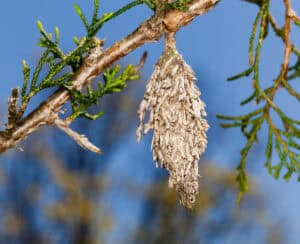
Identify and control bagworms before they damage your North Texas trees and shrubs this season.