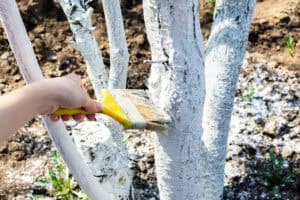
Sunscald and Bark Damage Trees DFW
Protect Your Trees from Sunscald and Bark Damage As May arrives in the Dallas-Fort Worth area, homeowners begin to enjoy …


Locally owned and family operated, proudly serving North Texas. Get your free, no-obligation quote. Or call (972) 521-1552.
Free QuoteA sick tree is not a tree that is beyond help. In most cases, a tree that is showing signs of stress, disease, or pest damage can be diagnosed, treated, and restored to health when the right professional gets involved early enough. At Trees Hurt Too, Inc., our ISA Certified Arborist specializes in sick tree treatment across the DFW metroplex, providing science-based diagnosis and targeted treatment programs tailored to the specific condition, species, and soil environment of every tree we evaluate.
"I want homeowners to understand that a sick tree is a treatable tree in the majority of cases we see. The word sick does not mean dying and dying does not always mean gone. What it means is that the tree needs a professional who understands what is happening at the biological level and can apply the right solution. That is what we do." Ken, ISA Certified Arborist Tx-3265-A | Owner, Trees Hurt Too, Inc.
Our sick tree treatment services are part of our comprehensive Tree Doctor and Arborist program serving Tarrant County and the greater DFW area. All evaluations are free with no obligation. Call (972) 521-1552 to schedule your visit.
The Dallas-Fort Worth metroplex presents a unique combination of environmental stressors that create one of the most challenging tree health environments in the country. Understanding these regional factors is the foundation of effective sick tree treatment, and it is what separates a certified arborist with local expertise from a generalist who applies the same approach everywhere.
Tarrant County's dense clay soil is the single most common underlying factor in tree decline we diagnose. Clay compacts under foot traffic and construction activity, cutting off oxygen to root systems. It holds water unevenly, creating anaerobic conditions after heavy rain and severe drought stress during dry periods. The shrink-swell cycle of clay physically disrupts fine feeder roots that are responsible for nutrient and water absorption. Most trees in this region are fighting their soil environment constantly without professional support.
North Texas summers routinely exceed 100 degrees Fahrenheit for extended stretches. Prolonged heat stress depletes a tree's energy reserves, weakens its natural immune response to disease and insects, and creates the conditions that allow opportunistic pathogens like hypoxylon canker to colonize trees that would otherwise resist infection. In drought years, we see a significant spike in sick tree cases across every community we serve because trees arrive at the summer stress period already depleted.
Borers, aphids, scale insects, and spider mites are among the most damaging tree pests in North Texas. Borers tunnel through bark and destroy vascular tissue from the inside, often going undetected until the damage is extensive. Aphids and scale drain nutrients and create conditions for secondary fungal infections. Learn more about how we treat these conditions on our shrub and tree pest page.
Fungal diseases including oak wilt, hypoxylon canker, root rot, leaf spot, and anthracnose are widespread in North Texas. Each requires a different diagnostic approach and a different treatment protocol. Treating the wrong disease with the wrong product wastes money and accelerates decline rather than reversing it. Visit our tree fungus treatment page and our bacteria and fungus page for more detail on how we approach each condition.
Warm spells in January and February followed by hard freezes damage new leaf growth, stress root systems, and create wound sites that invite disease and insects. Trees that experience multiple freeze-thaw cycles in a single winter often show significant health impacts the following spring that require professional intervention before secondary problems establish.
Oakley says...
No charge. No obligation. An ISA Certified Arborist visits your property and gives you honest answers before recommending anything.
Every sick tree treatment plan begins with an accurate diagnosis from our ISA Certified Arborist. The specific treatment or combination of treatments depends on the condition identified. We explain every option before recommending anything.
For trees under stress from nutrient deficiency, soil compaction, or root zone oxygen deprivation, deep root feeding delivers carbon-based nutrients and beneficial microbes directly into the root zone where the tree can absorb them most efficiently. This strengthens root systems, improves drought tolerance, and builds the biological foundation for recovery. Root inoculation introduces mycorrhizal fungi that improve nutrient absorption and soil biology around the root zone. Learn more at our deep root feeding page.
For active disease or insect infestations, our microinjection technology delivers targeted treatment directly into the tree's vascular system. This approach is highly effective for borer control, oak wilt management, vascular fungal diseases, and micronutrient deficiencies. Treatment lasts up to two years and is far more precise than surface applications. Learn more at our tree injection services page.
Fungal diseases require timed fungicide applications calibrated to the specific pathogen and seasonal conditions. Our certified arborist selects treatment products and application timing based on the diagnosed condition, the tree species, and current weather patterns. For full detail on our fungal disease approach visit our tree fungus treatment page.
For trees declining due to root zone issues, our moisture management program using Hydretain Root Zone Moisture Management addresses the clay soil drainage and hydration imbalance that underlies a majority of tree decline cases in Tarrant County. Correcting the soil environment is as important as treating the visible symptoms in most cases we diagnose.
Applied during the winter dormant season, horticultural oil sprays eliminate overwintering insect pests and their eggs before spring populations can establish. This preventive treatment is particularly valuable for trees with a history of aphid, scale, or spider mite infestations that weaken trees entering the high-stress summer period already depleted.
The financial argument for treating a sick tree rather than waiting is straightforward. The cost of professional treatment is a fraction of the cost of emergency removal after a tree dies or fails structurally. Beyond the direct removal cost, untreated sick trees create additional risks that compound over time.
"The hardest conversations I have are with homeowners who waited. They watched a tree decline over two or three seasons thinking it would come back on its own, and by the time we get the call the tree is past the point where we can save it. I never want to tell someone their tree is gone when a single evaluation a year earlier could have changed the outcome. That is why we offer free consultations. There is no reason not to get a professional opinion early." Ken, ISA Certified Arborist Tx-3265-A | Owner, Trees Hurt Too, Inc.
Your Tree Cannot Wait
Early diagnosis is the difference between saving and losing a tree. Call our ISA Certified Arborist directly for same-week evaluations throughout the DFW area.
(972) 521-1552Free on-site evaluation • No obligation • Honest answers
In many cases yes, particularly when the condition is identified and treated early. Trees showing stress, early disease, or insect activity can often be successfully treated and restored through deep root feeding, tree injections, fungicide applications, and soil health programs. The critical factor is acting before the condition becomes irreversible. We give you an honest assessment of recovery probability at the initial evaluation.
The most common causes of tree decline in DFW include clay soil stress and root zone oxygen deprivation, extreme heat and drought, borer and scale insect infestations, fungal diseases including oak wilt and hypoxylon canker, root rot from drainage issues, micronutrient deficiencies in compacted soils, and freeze-thaw damage during false spring events. Most cases involve more than one contributing factor simultaneously.
Stress and disease often present with similar symptoms including leaf discoloration, canopy thinning, and early leaf drop. Accurately distinguishing between them requires a professional evaluation from a certified arborist. Trees Hurt Too provides free on-site evaluations throughout Tarrant County to diagnose the actual condition before any treatment is recommended.
A sick tree is showing signs of disease, pest activity, or stress but retains the biological capacity to recover with appropriate intervention. A dying tree has progressed to a stage where recovery is unlikely. Our ISA Certified Arborist evaluates each tree individually and gives you a direct, honest assessment of which category it falls into and what options are realistically available.
Common sick tree symptoms include thinning or sparse canopy, yellowing or browning leaves outside the normal seasonal cycle, dead branches, bark cracking or peeling, visible fungal growth at the trunk base, small exit holes in bark with sawdust-like frass indicating borer activity, and sticky residue combined with sooty mold on foliage. See our full symptom guide at the North Texas tree disease identification page.
Microinjection treatments are completed in a single visit and provide protection for up to two years. Deep root feeding shows improvement in canopy density and color within one to two growing seasons. Fungal disease management is ongoing and timed to seasonal cycles. Our certified arborist provides realistic timelines specific to the condition diagnosed at your property.
Trees Hurt Too provides completely free on-site evaluations for all sick tree concerns with no obligation. Treatment costs vary based on the specific condition, the number and size of trees involved, and the treatments required. Call (972) 521-1552 for a free evaluation and an honest estimate with no pressure.
Yes. We use carefully selected, eco-friendly products and precision delivery methods on every treatment. Microinjection technology keeps treatment inside the tree's vascular system with no surface residue. All treatments are performed by our licensed applicators following strict safety protocols. Once treated areas have dried, your yard is safe for family and pets.
Yes. We provide sick tree diagnosis and treatment for residential homes, commercial properties, HOA communities, schools, hospitals, retail centers, and municipal properties. Learn more about our commercial tree care services.
Call us at (972) 521-1552 or request your free evaluation through our contact page. A Licensed Plant Health Care Professional will schedule a visit at your earliest convenience. Do not wait until the situation worsens. Check our service area to confirm we cover your neighborhood.
We provide sick tree treatment and recovery programs throughout the DFW metroplex. View our full service area and call (972) 521-1552 for your free evaluation.
Do not see your city? Call us anyway at (972) 521-1552. We serve additional communities throughout the DFW metroplex.
Protect Your Trees Year-Round
Our certified arborist-supervised annual programs include:
On-site evaluation and custom program quote
Get My Custom Program QuoteNo contracts • Cancel anytime
Stay informed about lawn care, tree care and pest related issues in your area!
Protect Your Trees from Sunscald and Bark Damage As May arrives in the Dallas-Fort Worth area, homeowners begin to enjoy …
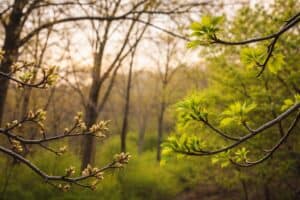
Why Trees Drop Leaves in May in the Dallas-Fort Worth Area If you’ve noticed leaves scattered across your lawn in …
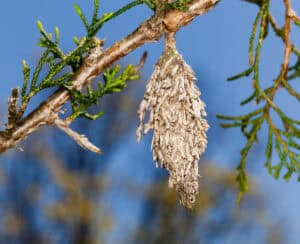
Identify and control bagworms before they damage your North Texas trees and shrubs this season.