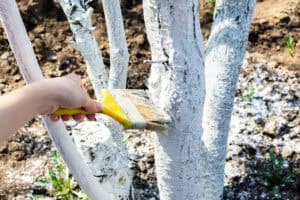
Sunscald and Bark Damage Trees DFW
Protect Your Trees from Sunscald and Bark Damage As May arrives in the Dallas-Fort Worth area, homeowners begin to enjoy …

(Various species)

Locally owned and family operated, proudly serving North Texas. Get your free, no-obligation quote. Or call (972) 521-1552.
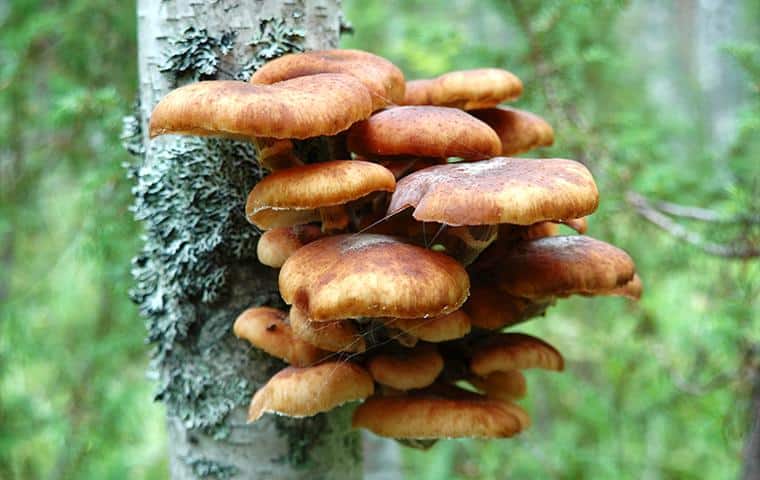
Free QuoteMany fungi, bacteria, and other disease-causing organisms naturally live within the soil where our lawn's grass grows. These microorganisms are a normal part of the ecosystem and, in balance, actually contribute to healthy soil. However, problems arise when environmental stress weakens your plants, giving these organisms the opportunity to multiply uncontrollably. Conditions such as compacted or nutrient-poor soil, improper watering practices, or excess shade can quickly tip that balance, leading to outbreaks of fungal or bacterial infections that damage roots, stems, and leaves.
When this happens, accurate tree disease identification becomes essential. Many pathogens that begin in the soil can spread easily to nearby shrubs and trees, affecting the entire landscape. Early detection allows experts to determine the exact cause of decline: whether it's root rot, cankers, leaf spot, or bacterial wilt, and apply targeted treatments before the infection spreads to healthy plants.
Integrating professional tree and shrub care with lawn health management ensures that every plant on your property receives consistent monitoring, proper nutrient balance, and environmental support. This holistic approach helps prevent recurring infections and encourages long-term recovery and growth. Partnering with a licensed arborist to develop a customized disease management program is the most effective way to protect your North Texas landscape from harmful fungi and bacteria; keeping your lawn, trees, and ornamentals strong, vibrant, healthy, and resilient year-round.
While small amounts of bacteria and fungi are a normal part of a healthy yard ecosystem, an overgrowth of these microorganisms can quickly turn destructive. When conditions such as excess moisture, poor soil drainage, or compacted soil are present, bacteria and fungi thrive and begin attacking vulnerable plants. In large numbers, they interfere with a plant's ability to take in water and nutrients, eventually leading to a noticeable decline in health.
Common signs of bacterial or fungal problems include:
Once established, these organisms can spread through soil, water, and even the air, making it difficult to control without professional attention. Left untreated, they can move from one plant to another, damaging not only turf but also shrubs and mature trees. Early detection, proper soil care, and timely treatment are the best ways to prevent these diseases from causing lasting harm to your landscape.
Bacteria and fungi are always present in the environment, but they typically only become a problem when your lawn or landscape is under stress. When grass and plants are weakened, they lose their natural defenses, making it easy for these organisms to take root and spread. Several environmental and maintenance factors can contribute to stress conditions.
Other contributing factors include compacted soil, heavy foot traffic, shaded areas that stay damp for long periods, and even contaminated garden tools that spread spores or bacteria from one part of the yard to another.
By addressing these underlying stressors through proper mowing, watering, fertilization, and maintenance practices, you can reduce the likelihood of fungal and bacterial outbreaks and help support a stronger, more resilient lawn.
In North Texas, the combination of heat, humidity, and unpredictable rainfall creates ideal conditions for bacteria and fungi to flourish. These microorganisms are often found in the soil and on plant surfaces year-round, but they become especially active when temperatures rise and moisture lingers. After heavy rains, periods of overwatering, or even sudden shifts in temperature, fungal spores and bacteria can multiply rapidly and begin affecting turf and ornamental plants.
You'll most often find signs of bacterial and fungal activity in low-lying or shaded areas of the yard where water tends to collect and drainage is poor. Thick lawns with compacted soil or excessive thatch are also highly susceptible, as trapped moisture and limited airflow allow pathogens to thrive. Even healthy lawns can experience sudden outbreaks following storms, drought recovery, or high humidity spells, conditions that stress the grass and make it more vulnerable to infection.
Because these problems can spread quickly, especially during warm and wet seasons, it's essential to have a consistent disease management plan in place. Routine monitoring, soil health assessments, and preventive treatments can make all the difference in protecting your lawn. By taking a proactive approach and working with a local professional who understands regional conditions, you can minimize outbreaks, reduce recovery time, and keep your yard looking its best year-round.
At Trees Hurt Too, Inc., our team specializes in identifying and treating the full range of fungal and bacterial diseases that affect North Texas lawns, trees, and shrubs. Because these issues often mimic other lawn problems like drought stress or nutrient deficiencies, accurate diagnosis is essential. Our experienced plant health care professionals take the time to inspect your property, determine the source of infection, and develop a targeted treatment plan that restores balance to your landscape.
We use environmentally responsible products designed to control harmful organisms without disrupting beneficial soil microbes or endangering your family and pets. Through a combination of precision treatments, soil conditioning, and ongoing monitoring, we help ensure that your yard not only recovers from disease but continues to thrive long after treatment.
Our comprehensive disease management services are available across all our service areas, including residential, commercial, and community landscapes throughout the greater North Texas region. Whether you're dealing with patchy turf, discolored leaves, or sudden dieback, our specialists provide customized solutions to eliminate the problem at its source.
To learn more about our advanced lawn care and disease control programs, or to schedule a consultation with one of our licensed professionals, contact Trees Hurt Too, Inc. today. Together, we'll build a healthier, greener, and more resilient yard for every season.
Preventing bacteria and fungus from taking over your yard starts with maintaining strong, healthy plants and balanced soil conditions. Many lawn diseases thrive in moist, shaded, or nutrient-poor environments, so focusing on proper care and prevention goes a long way in keeping your landscape vibrant year-round.
Here are several effective ways to limit fungal and bacterial problems:
With consistent attention and preventive maintenance, you can dramatically reduce the risk of bacterial and fungal infections in your yard. And if you ever notice early signs of stress, discoloration, or dieback, prompt action from a professional will make recovery much faster.
Treatment frequency depends on the severity of the issue and the environmental conditions. In most cases, preventive treatments are applied seasonally, especially during warm, humid months when fungi and bacteria are most active. A professional can evaluate your soil and grass type to determine the ideal schedule for your property.
Yes. Many types of fungi and bacteria can spread from turf to ornamental plants if the underlying conditions, like moisture imbalance or poor soil health, aren't corrected. Early detection and comprehensive care help prevent the spread to surrounding trees, shrubs, and garden beds.
Common warning signs include yellow or brown patches, thinning grass, black or white mold growth, or a slimy film on leaves and stems. Some plants may also wilt or droop even when adequately watered. Catching these symptoms early makes treatment much more effective.
Yes. Trees Hurt Too, Inc. uses low to no-impact products that are environmentally responsible and safe when applied correctly. Treatments are designed to protect your landscape without exposing your family or pets to harmful residues.
Absolutely. Healthy soil, balanced watering, proper mowing, and annual aeration are all effective ways to minimize disease risk naturally. A well-maintained lawn has a stronger immune response and can resist infections far better than stressed or nutrient-poor turf.
If you notice signs of recurring fungus or bacteria, contact your lawn care provider for follow-up treatments and a full evaluation. Repeated problems may indicate deeper issues with drainage, thatch buildup, or soil composition that require long-term management.
Stay informed about lawn care, tree care and pest related issues in your area!
Protect Your Trees from Sunscald and Bark Damage As May arrives in the Dallas-Fort Worth area, homeowners begin to enjoy …
Why Trees Drop Leaves in May in the Dallas-Fort Worth Area If you’ve noticed leaves scattered across your lawn in …
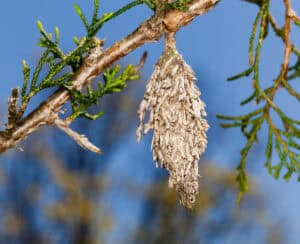
Identify and control bagworms before they damage your North Texas trees and shrubs this season.