

Protect Your Trees from Sunscald and Bark Damage
As May arrives in the Dallas-Fort Worth area, homeowners begin to enjoy warmer weather, longer days, and thriving landscapes. But while your yard may look healthy on the surface, your trees could be facing a hidden seasonal threat that often goes long unnoticed until it is too late: sunscald and bark damage.
In North Texas, where spring quickly transitions into intense summer heat, May is one of the most important months for tree health. What happens now can determine whether your trees remain strong through the summer or start slowly declining.
Understanding how sunscald works, why it is common in DFW, and how to prevent it can save you time, money, and stress while protecting one of the most valuable parts of your landscape. You can also explore our detailed guide on tree health care in North Texas for a broader strategy.
What Is Sunscald?
Sunscald is a type of environmental injury that affects tree bark. It occurs when the bark heats up rapidly during the day from direct sunlight and then cools rapidly when temperatures drop for the night. This fluctuation causes internal stress within the tree, damaging the living tissue just beneath the bark.
While many people associate sunscald with winter, the damage often becomes visible and worsens in late spring, especially in May when sunlight intensity increases across North Texas.
The southwest side of the tree is most commonly affected because it receives the strongest afternoon sun.
Why Sunscald Is a Serious Problem in DFW
The Dallas Fort Worth climate creates ideal conditions for sunscald:
- Intense direct sunlight
- Rapid temperature swings
- Dry soil conditions
- High UV exposure
These factors combine to stress the bark and weaken the tree’s natural defenses. Once the bark is compromised, the tree becomes vulnerable to additional problems such as insect infestations and fungal issues. For more insight, review research from the USDA Forest Service.
How Bark Damage Impacts Tree Health
Tree bark serves as a protective barrier, shielding the inner systems that transport water and nutrients. When bark is damaged, the consequences go far beyond appearance.
Sunscald and bark injury can lead to:
- Loss of the cambium layer
- Cracks that expose internal tissue
- Increased vulnerability to pests
- Reduced nutrient transport
- Long term structural weakness
Trees in DFW That Are Most at Risk
Certain trees are more vulnerable to sunscald, particularly those with thinner bark or those still establishing.
Common at risk trees include:
- Red oak
- Live oak (young trees)
- Maple varieties
- Cedar elm
- Fruit trees
- Newly planted shade trees
New trees are especially vulnerable because they have not developed protective bark layers or strong root systems.
Signs of Sunscald and Bark Damage
May is when many homeowners begin to notice visible symptoms.
Watch for:
- Vertical cracks along the trunk
- Peeling bark
- Discolored or sunken areas
- Dead patches on one side
- Sap leakage
- Insect activity
If you notice these symptoms during your tree and shrub care inspections, early action can prevent further decline.
Why May Is the Critical Window
May is a turning point in the DFW growing season.
- Temperatures begin rising quickly
- Sun exposure increases
- Rainfall becomes less consistent
- Trees are actively growing
Damage during this time disrupts development and increases long term stress.
Common Mistakes DFW Homeowners Make With Sunscald Prevention
Many homeowners unknowingly increase the risk of bark damage through well intended landscaping habits. In North Texas, small mistakes can have major consequences once summer temperatures intensify.
One of the most common issues is planting trees too close to reflective surfaces such as driveways, sidewalks, patios, or light colored fencing. These surfaces reflect heat directly onto the trunk, increasing bark temperature and worsening sunscald conditions.
Another frequent problem is inconsistent watering. Many homeowners water heavily once and then allow the soil to become completely dry. This cycle stresses the tree and weakens its ability to handle heat exposure. Moisture management solutions are essential during this time.
Improper mulching is another contributor. Excess mulch piled against the trunk traps moisture and can weaken bark tissue over time. Healthy mulching should always allow airflow around the base of the tree.
Some homeowners also underestimate how vulnerable young trees are during their first few years in the landscape. Newly planted trees need extra monitoring throughout spring and summer because they are still adapting to North Texas conditions.
Being proactive now can prevent years of avoidable stress and expensive damage later.
How DFW Heat and Urban Conditions Increase Bark Damage
The Dallas Fort Worth metroplex presents unique environmental challenges for trees.
Urban heat islands are a major factor. Concrete, asphalt, brick, and roofing materials absorb heat throughout the day and release it slowly into the evening. This keeps surrounding temperatures elevated and increases bark stress.
Trees planted near streets or commercial areas often experience significantly higher trunk temperatures compared to trees growing in shaded natural areas.
Strong southern sun exposure also intensifies bark injury during May and June. Trees located in open front yards with little surrounding vegetation are often exposed to full day sunlight without relief.
Extended drought periods further compound the issue. When roots cannot access adequate moisture, the tree becomes less capable of regulating internal temperature and protecting living tissue beneath the bark.
In many DFW neighborhoods, compacted soil also limits oxygen flow to the roots. Poor soil conditions reduce overall tree vigor, making bark injury more severe and recovery slower.
These regional factors are why local tree care strategies matter. Trees in North Texas require care plans designed specifically for extreme heat and changing moisture conditions, like using deep root feedings and tree injections.
How to Prevent Sunscald and Bark Damage
Protect the Trunk
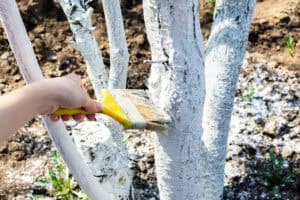
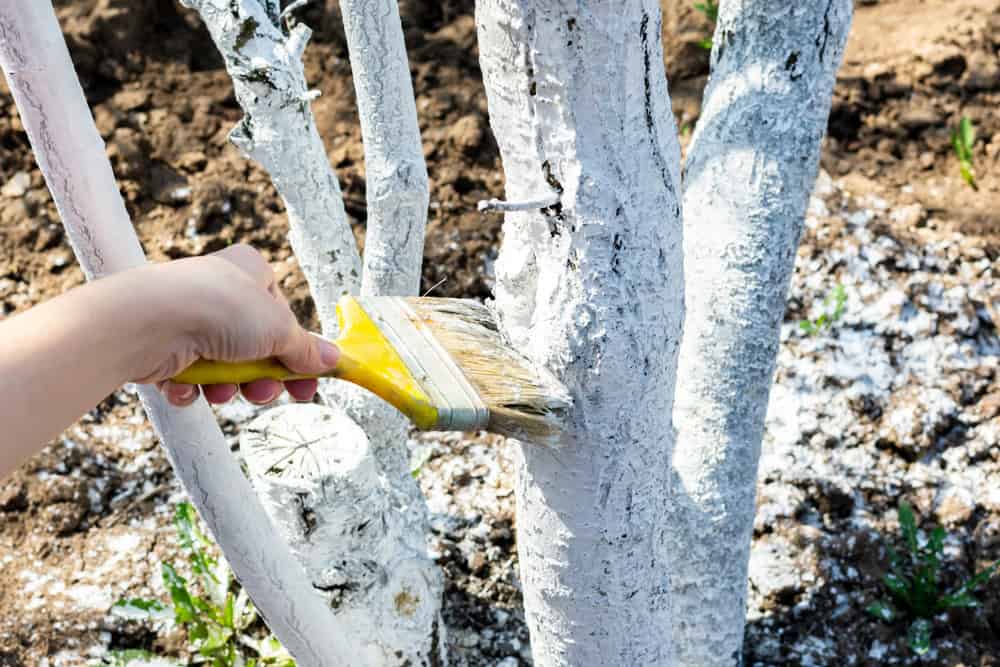
Using light colored trunk protection helps reflect sunlight and reduce temperature fluctuations.
Use Reflective Coating
A diluted white coating applied to the trunk reflects sunlight and reduces heat absorption.
Maintain Proper Mulching
Apply 2 to 4 inches of mulch around the base while keeping it away from the trunk. This helps regulate soil temperature and moisture.
Water Consistently
Deep watering once or twice per week supports tree resilience and reduces stress.
Preserve Natural Shade
A healthy canopy protects the trunk from direct sunlight.
Support Newly Planted Trees
New trees need close monitoring and consistent care during establishment.
What to Do If Your Tree Already Has Damage
If your tree shows signs of damage, begin by assessing severity.
Minor damage may heal naturally. Avoid using sealants, as they can trap moisture and slow recovery.
Focus on improving tree health through watering, mulching, and monitoring.
Watch for Secondary Problems
Damaged bark increases the risk of:
- Insect infestations
- Fungal infections
- Expanding decay
You can explore early pest warning signs in our guide on identifying tree stress symptoms.
Frequently Asked Questions About Sunscald and Bark Damage
Can a tree recover from sunscald?
Yes, many trees can recover if the damage is identified early and the tree receives proper care. Recovery depends on the severity of the bark injury, the tree species, and overall health conditions.
Is bark splitting always caused by sunscald?
Not always. Bark splitting can also result from drought stress, lightning, pests, or internal structural problems. However, sunscald is one of the most common causes of vertical trunk cracks in North Texas.
Are mature trees affected by sunscald?
Yes, although younger trees are more vulnerable. Mature trees can still experience bark injury during periods of extreme heat and drought, especially if they are already stressed.
What side of the tree is usually damaged?
The southwest side is most commonly affected because it receives the harshest afternoon sunlight.
Can excessive heat from rocks or concrete worsen damage?
Absolutely. Heat reflecting off driveways, patios, decorative stone, and nearby structures can intensify bark temperatures significantly.
Should damaged bark be covered?
In most situations, no. Trees heal more effectively when natural recovery processes are allowed to occur. Covering wounds improperly can trap moisture and encourage decay.
Long Term Protection for DFW Trees
Maintaining healthy trees year round reduces the risk of recurring issues.
- Choose climate adapted species
- Monitor tree health seasonally
- Maintain soil health
- Provide consistent care
The Cost of Ignoring the Problem
Ignoring bark damage can lead to:
- Structural instability
- Increased pest activity
- Declining tree health
- Expensive long term consequences
Early action is always the most cost effective solution.
Protect Your Trees Before the Heat Gets Worse
Sunscald and bark damage don't resolve on their own. In DFW, conditions are about to intensify. What looks minor today can quickly develop into serious structural issues.
Taking action now gives your trees the best chance to recover and remain strong.
Get Expert Help from Trees Hurt
At Trees Hurt, we specialize in identifying and protecting trees from environmental stress across North Texas.
We help homeowners:
- Identify early bark damage
- Evaluate tree health
- Strengthen recovery
- Prevent future issues
Our approach is based on local arborist expertise and proven tree health strategies.
Don’t Wait Until It’s Too Late
Delaying action reduces your options. Early intervention protects your investment and keeps your landscape healthy.
Schedule your free, comprehensive tree health evaluation with Trees Hurt Too today.
Protect your trees before summer conditions take their toll.